
Your Location: Home> Pharmaceutical > Protocatechualdehyde
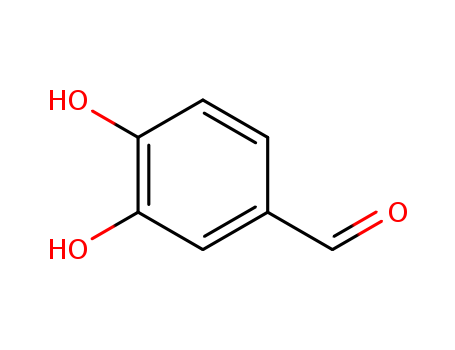
Product Details
Export Top Purity Protocatechualdehyde 139-85-5 In Stock
- Molecular Formula:C7H6O3
- Molecular Weight:138.123
- Appearance/Colour:brown powder
- Vapor Pressure:0.000867mmHg at 25°C
- Melting Point:150-157 °C(lit.)
- Refractive Index:1.674
- Boiling Point:295.4 °C at 760 mmHg
- PKA:pK (25°) 7.55
- Flash Point:146.7 °C
- PSA:57.53000
- Density:1.409 g/cm3
- LogP:0.91030
Protocatechualdehyde(Cas 139-85-5) Usage
|
Physical properties |
Appearance: pale beige acicular crystal (in water or methylbenzene) or off-white powder, crystal twin shape. Solubility: easily soluble in ethanol, acetone, ethyl acetate, ethyl ether, and hot water; soluble in cold water; insoluble in benzene and chloroform. Melting point: 150–153?°C. Specific optical rotation: easily oxidized to benzoquinone and changes color, and it is instable in water. |
|
History |
In the 1940s, the research was conducted overseas to obtain protocatechualdehyde form herbs. In 1972, the chemical group of Chinese herbal medicine in Nanjing College of Pharmacy systematically studied chemical composition in purple flower holly leaf and separated six monomers including protocatechualdehyde. Then they compared the effect of protocatechualdehyde, Salvia miltiorrhiza injection and hairy holly root injection, in which protocatechualdehyde is the most effective in increasing coronary sinus flow. Further experiments examined that protocatechualdehyde can increase coronary flow and improve coronary circulation, so it was called after perhexiline. Further clinical observation indicated that protocatechualdehyde has effect on coronary heart disease. The graduates of Nanjing College of Pharmacy in 1975 extracted, separated, isolated, and identified protocatechualdehyde in Salviamiltiorrhiza during the internship in Nanjing Municipal Hospital and studied its distribution, excretion, and toxicity in animals for clinical rational drug usage |
|
Synthesis Reference(s) |
The Journal of Organic Chemistry, 27, p. 2037, 1962 DOI: 10.1021/jo01053a030 |
|
General Description |
3,4-Dihydroxybenzaldehyde has been recognized as one of the antifungal compound extracted from the outer skin of green Cavendish bananas. It can be synthesized from catechol via Fries rearrangement. |
|
Pharmacology |
Protection of?Myocardial Cells and?Myocardial Ischemia Reducing Ca2+ concentration in adult erythrocyte cytosolic to protect the myocardium, dilating the coronary arteriae, promoting collateral circulation, increasing myocardial oxygen supply coronary blood flow, improving collateral circulation without increasing the ventricular and myocardial oxygen consumption, decreasing heart rate, inhibiting myocardial contractility, expanding peripheral vascular, and ultimately reducing cardiac load and myocardial oxygen consumption. Used for the treatment of coronary heart disease and angina pectoris. Effects on?Atherosclerosis Protocatechualdehyde improves atherosclerosis from the effect of inhibition of inflammation, apoptosis, and leukocyte chemotaxis. Antithrombotic Effects 1. Platelet aggregation inhibition: Administration of protocatechualdehyde in?vitro and in?vivo has apparently effect on inhibiting platelet aggregation induced by ADP.?Protocatechualdehyde 0.625, 1.25, and 2.5?mg/ml can decrease the degree and slow down the rate of platelet aggregation and promote the aggregation of platelet. 2. Improving microcirculation: Protocatechualdehyde can increase the blood flow of microcirculation, accelerate the flow of blood to improve the oxygen supply of cells, and reduce the number of normal red cells to spiny red cells and the abnormal shape of spiny red cells. Antioxidation Effects Protocatechualdehyde contains phenolic hydroxyl in ortho-position, which is material base for its antioxidation. It has good activities for scavenging free radical. So it treats cardiovascular and cerebrovascular diseases induced by active oxygen. Protection of?Nerve Cells and?Cerebral Ischemia Injury Protection of cerebral ischemia injury might be concerned with reducing the production of TXA2?in brain tissue, inhibiting the release of excitatory amino acids in brain tissue, and improving the microcirculation of brain tissue. Repair of?Damaged Venous Valve and?Treatment of?Phlebeurysm Protocatechualdehyde reduced the fibrosis of tissues and organs effectively, dissolved fibrin, promoted the regeneration of fibrotic cells, and repaired damaged venous valves to prevent flowing back of blood and cure phlebeurysm effectively. Other Effects Protecting the liver and promoting repair and regeneration of liver tissue; antifibrosis of liver and promoting the healing of fracture and wounds; antibacterial, anti-inflammatory, antiviral, anti-sepsis, and preventing pigmentation. |
|
Enzyme inhibitor |
This aldehyde (FW = 138.12 g/mol), also known as 3,4- dihydroxybenzaldehyde and 4-formylcatechol, is soluble in water (5 g/100 mL at 20°C) and has a pKa value of 7.55 at 25°C. Protocatechualdehyde induces apoptosis in cytotoxic T cells. Target(s): aldehyde oxidase; aldose reductase; b-carotene 15,15’-monooxygenase; mandelonitrile lyase; protocatechuate 3,4-dioxygenase; protocatechuate 4,5- dioxygenase; tyrosinase, weakly inhibited, IC50 = 620 μM; and xanthine oxidase. |
|
Purification Methods |
Crystallise the aldehyde from water or toluene and dry it in a vacuum desiccator over KOH pellets or shredded wax respectively. [Beilstein 8 IV 1762.] |
InChI:InChI=1/C7H6O3/c8-4-5-1-2-6(9)7(10)3-5/h1-4,9-10H
139-85-5 Relevant articles
Electrochemically exfoliated graphene for nanosensor applications
Sivasankar,Senthilkumar,Vivekananth,Kalaivani,Sivakumar
, p. 7097 - 7104 (2019)
Water dispersible graphene layer are the...
Flavonoids as antioxidants
Jovanovic, Slobodan V.,Steenken, Steen,Tosic, Mihajlo,Marjanovic, Budimir,Simic, Michael G.
, p. 4846 - 4851 (1994)
Spectral, acid-base, and redox propertie...
Stereoselective synthesis of trans-dihydronarciclasine derivatives containing a 1,4-benzodioxane moiety
Varró, Gábor,Pogrányi, Balázs,Grün, Alajos,Simon, András,Heged?s, László,Kádas, István
, p. 2265 - 2285 (2018)
Abstract: Some new trans-dihydronarcicla...
Polyoxometalates as solution-phase electrocatalytic mediators for reduced electrode fouling and the improved oxidative response of phenols
Hossain, Md. Mokarrom,Aldous, Leigh
, p. 32 - 35 (2016)
The electrochemical oxidation of phenols...
On the difference in decomposition of taxifolin and luteolin vs. fisetin and quercetin in aqueous media
Sokolová, Romana,Rame?ová, ?árka,Kocábová, Jana,Kolivo?ka, Viliam,Degano, Ilaria,Pitzalis, Emanuela
, p. 1375 - 1383 (2016)
Abstract: The decomposition of flavonols...
Total synthesis of (±)-fumimycin and analogues for biological evaluation as peptide deformylase inhibitors
Zaghouani, Mehdi,B?geholz, Lena A.K.,Mercier, Evan,Wintermeyer, Wolfgang,Roche, Stéphane P.
, p. 3216 - 3230 (2019)
A concise 7-step total synthesis of (±)-...
Thiols Act as Methyl Traps in the Biocatalytic Demethylation of Guaiacol Derivatives
Grimm, Christopher,Kroutil, Wolfgang,Pompei, Simona,Schiller, Christine,Schober, Lukas
supporting information, p. 16906 - 16910 (2021/07/02)
Demethylating methyl phenyl ethers is ch...
A method of synthesis of piperonolamine
-
Paragraph 0112; 0116-0118; 0128; 0132-0134, (2022/01/07)
The present invention belongs to the fie...
A synthetic preparation method for small carbags hydrochloric acid
-
Paragraph 0191-0193, (2021/12/08)
The present invention belongs to the fie...
Herbicide based on haloxyfop, flumetsulam and halosulfuron-methyl
-
, (2021/06/21)
The invention discloses a herbicide base...
139-85-5 Process route
-
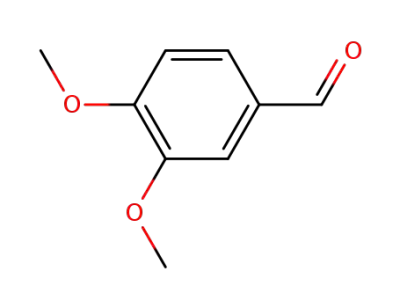
-
120-14-9
3,4-dimethoxy-benzaldehyde

-
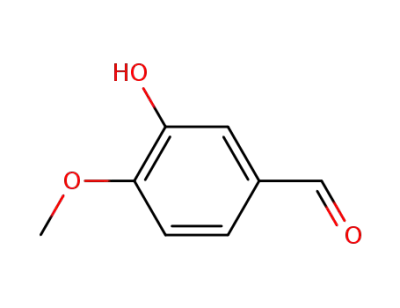
-
621-59-0
isovanillin

-
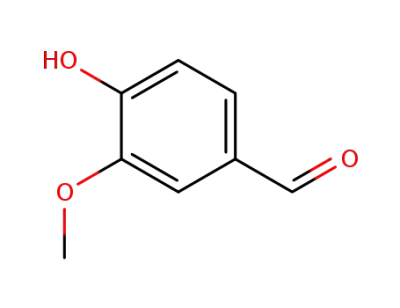
-
121-33-5,8014-42-4
vanillin
-
-
139-85-5
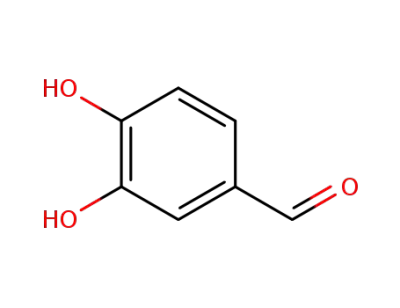
3,4-dihydroxybenzaldehyde
| Conditions | Yield |
|---|---|
|
With
orcinol; Acetobacterium dehalogenans veratrol-O-demethylase; Desulfitobacterium hafniense methyltransferase dhaf4611;
In
aq. buffer;
at 35 ℃;
for 24h;
pH=6.5;
regioselective reaction;
Inert atmosphere;
Enzymatic reaction;
|
81% 11% 8% |
|
With
lithium chloride;
In
N,N-dimethyl-formamide;
for 22h;
Yield given. Yields of byproduct given;
Heating;
|
-
-
121-33-5,8014-42-4
vanillin
-
-
621-59-0
isovanillin
-
-
139-85-5
3,4-dihydroxybenzaldehyde
| Conditions | Yield |
|---|---|
|
With
3-mercaptopropionic acid ethyl ester;
In
aq. buffer;
at 30 ℃;
for 24h;
pH=6.5;
Inert atmosphere;
Glovebox;
Enzymatic reaction;
|
139-85-5 Upstream products
-
621-59-0
isovanillin
-
67-56-1
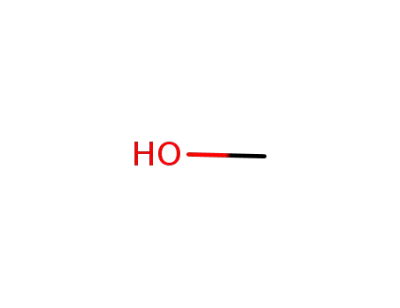
methanol
-
124-41-4
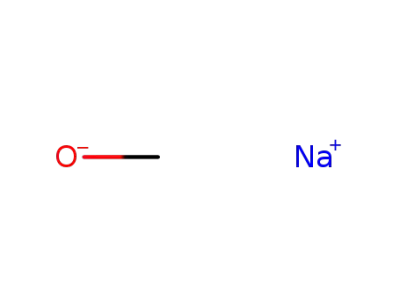
sodium methylate
-
128-08-5
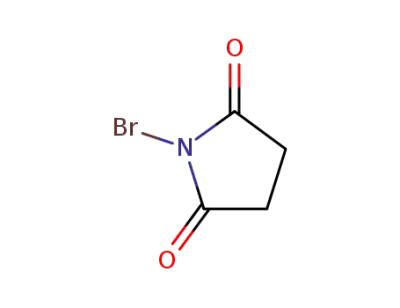
N-Bromosuccinimide
139-85-5 Downstream products
-
35546-60-2
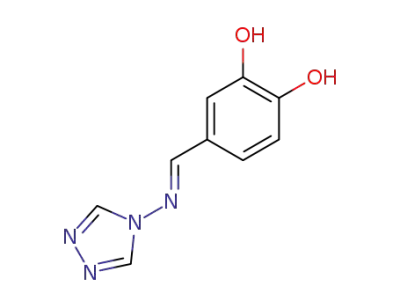
4-<3,4-Dihydroxy-benzylidenamino>-1,2,4-triazol
-
38711-14-7
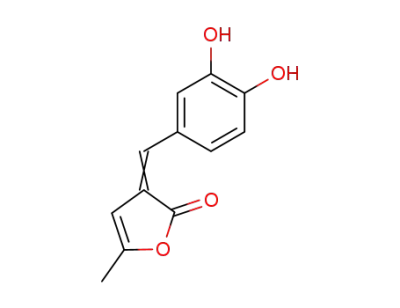
3-((Ξ)-3,4-dihydroxy-benzylidene)-5-methyl-3H-furan-2-one
-
36585-50-9
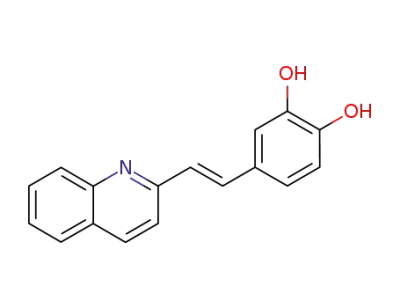
(E)-4-(2-(quinolin-2-yl)vinyl)benzene-1,2-diol
-
97852-89-6
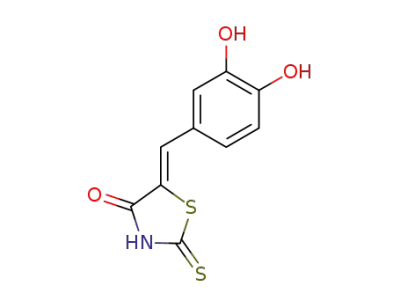
(5Z)-5-(3,4-dihydroxybenzylidene)-2-thioxo-1,3-thiazolidin-4-one